What to Know Before Scheduling a Roof Replacement Austin Homeowners Rely On
Living in Austin means dealing with heat, hail, and the occasional surprise storm that can leave your roof looking like it went a few rounds with something heavier than rain. I have seen plenty of homes around here where the shingles are curling, the flashing is peeling back, and the homeowner is wondering if they can patch it one more time or if it is finally time for a full tear-off. That decision is never easy, and it is one that a lot of people in Texas put off until they have a roof leak during a heavy downpour. If you are in that spot, understanding what goes into a roof replacement Austin job can save you from making a costly mistake.
When a Patch Just Will Not Cut It
Every roofer I know will tell you the same thing: a roof has a lifespan, and once it is past that point, patches are just bandaids. Asphalt shingles, which are the most common residential roofing material around here, typically last twenty to thirty years depending on the quality of the product and the installation. If your home was built in the early 2000s and still has the original roof, you are probably getting close to that window. Metal roofing can go longer, sometimes forty to fifty years with proper maintenance, but it also has its own failure points like fastener corrosion or panel fatigue around the edges. Flat roofing, which is common on modern additions and some commercial buildings in Austin, tends to have a shorter lifespan, often fifteen to twenty years, because ponding water and UV exposure take a heavy toll on the membrane.
The real sign that you need a roof replacement Austin contractor to take over is when the damage is not localized. If you have a single leak around a vent pipe, a repair might do the trick. But when the roof underlayment is saturated in multiple areas, the drip edge is rusted out, or the ridge vents are letting in moisture, you are looking at systemic failure. I have been on roofs where the plywood deck was so rotted from years of small leaks that you could push a screwdriver through it. That kind of damage does not get fixed by slapping on new shingles. You have to strip everything down to the rafters and start fresh.
Understanding the Layers That Matter
A lot of homeowners focus on the visible part of the roof, the shingles or tiles, and forget that what is underneath matters just as much. The roof underlayment is your second line of defense against moisture. In Austin, where we get sudden downpours that can dump an inch of rain in under an hour, a quality underlayment like synthetic felt or a self-adhered membrane can mean the difference between a dry attic and a mold problem. I always recommend asking your contractor what underlayment they plan to use and making sure it meets current building codes. Some older homes around here were built with felt that disintegrates after a few years, and that is just asking for trouble.
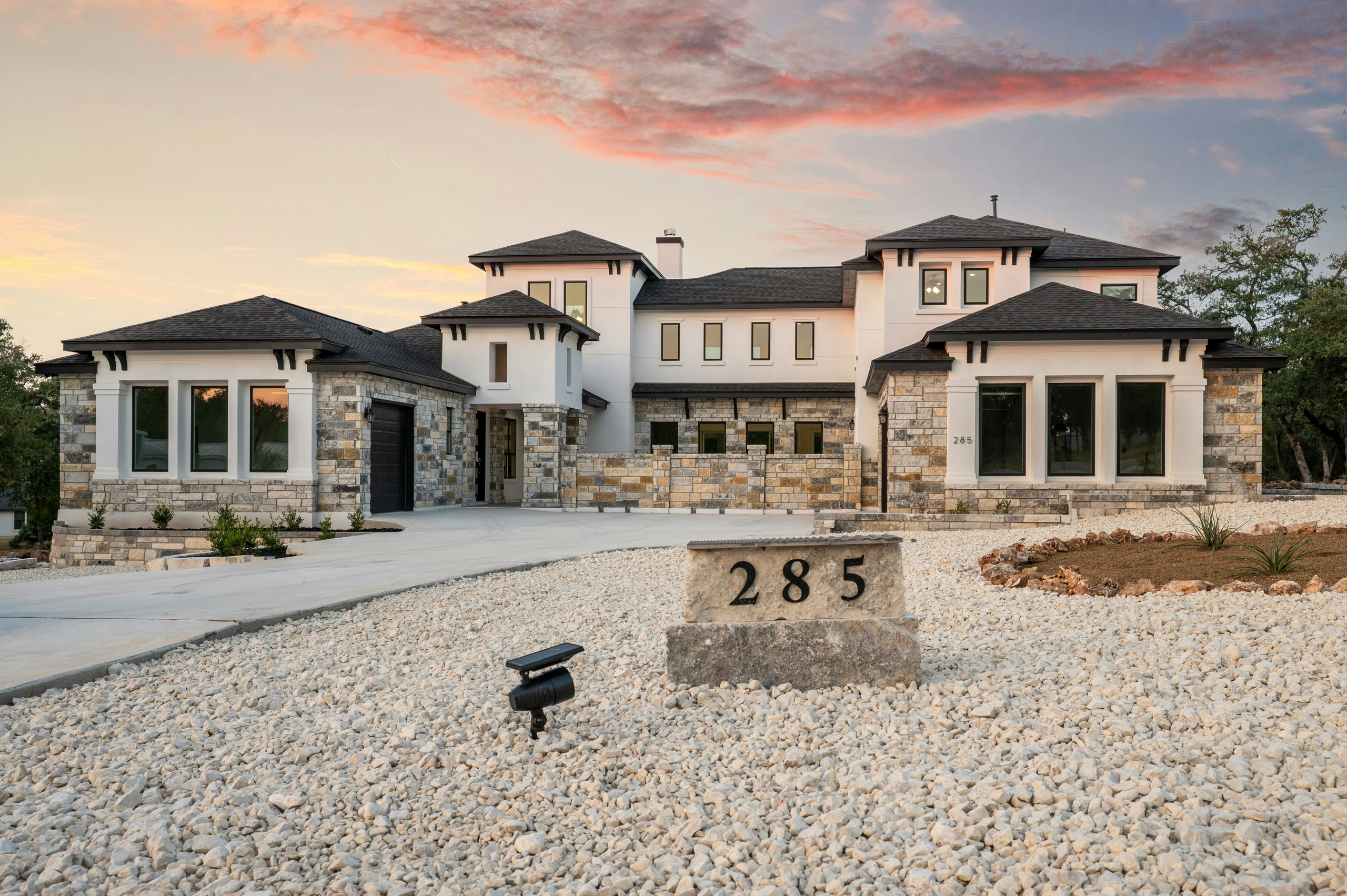
Then there is the drip edge, a small metal strip along the eaves that directs water away from the fascia. It sounds minor, but a missing or corroded drip edge allows water to run back under the shingles and rot the decking. Same goes for roof flashing around chimneys, skylights, and walls. Flashing is one of those details that separates a tight roof from a leaky one. If the roofer cuts corners on flashing, you will be calling them back for a roof leak within a year. I have seen it happen with cheap bids more times than I can count.
Material Choices That Fit Austin's Climate
Austin has a unique climate that demands specific roofing materials. We get intense summer heat that can make dark asphalt shingles degrade faster than they would in a cooler climate. Light-colored shingles or metal roofing with reflective coatings can help with energy efficiency, keeping your attic cooler and your AC bills lower. Clay tiles are another option that you see on some of the older homes in the city. They handle heat well and last a long time, but they are heavy and require a roof structure that can support the weight. If you are considering clay tiles for a roof replacement Austin project, make sure your trusses are up to the task. I have seen roofs sag under tile loads that were never designed for them.
Metal roofing, particularly standing seam panels made of steel or aluminum, has become more popular in recent years. It sheds water well, handles hail better than you might think, and can last decades with minimal upkeep. The downside is that it costs more upfront and requires skilled labor to install the panels and flashings correctly. If a contractor offers you a price on metal roofing that seems too good to be true, ask about the gauge of the metal and the quality of the fasteners. Thin metal with exposed screws will cause problems down the road.
For flat roofing, which is common on mid-century modern homes and many commercial buildings in Austin, the standard has moved toward single-ply membranes like TPO or PVC. These materials reflect heat and are relatively easy to repair. Built-up roofs with multiple layers of asphalt and gravel are still around, but they are heavier and harder to maintain. If your flat roof is leaking, a roof replacement Austin specialist will likely recommend a fully adhered TPO system with proper tapered insulation to prevent ponding.
The Role of Ventilation and Accessories
A roof is not just a cover; it is a system that includes ventilation. Ridge vents, soffit vents, and static vents allow hot air to escape from the attic, which reduces moisture buildup and extends the life of the shingles. I have been in attics in the middle of August that felt like an oven because there were no ridge vents installed. That heat cooks the underside of the roof deck and accelerates deterioration. A good roofer will always include ridge vents as part of a complete roof replacement.
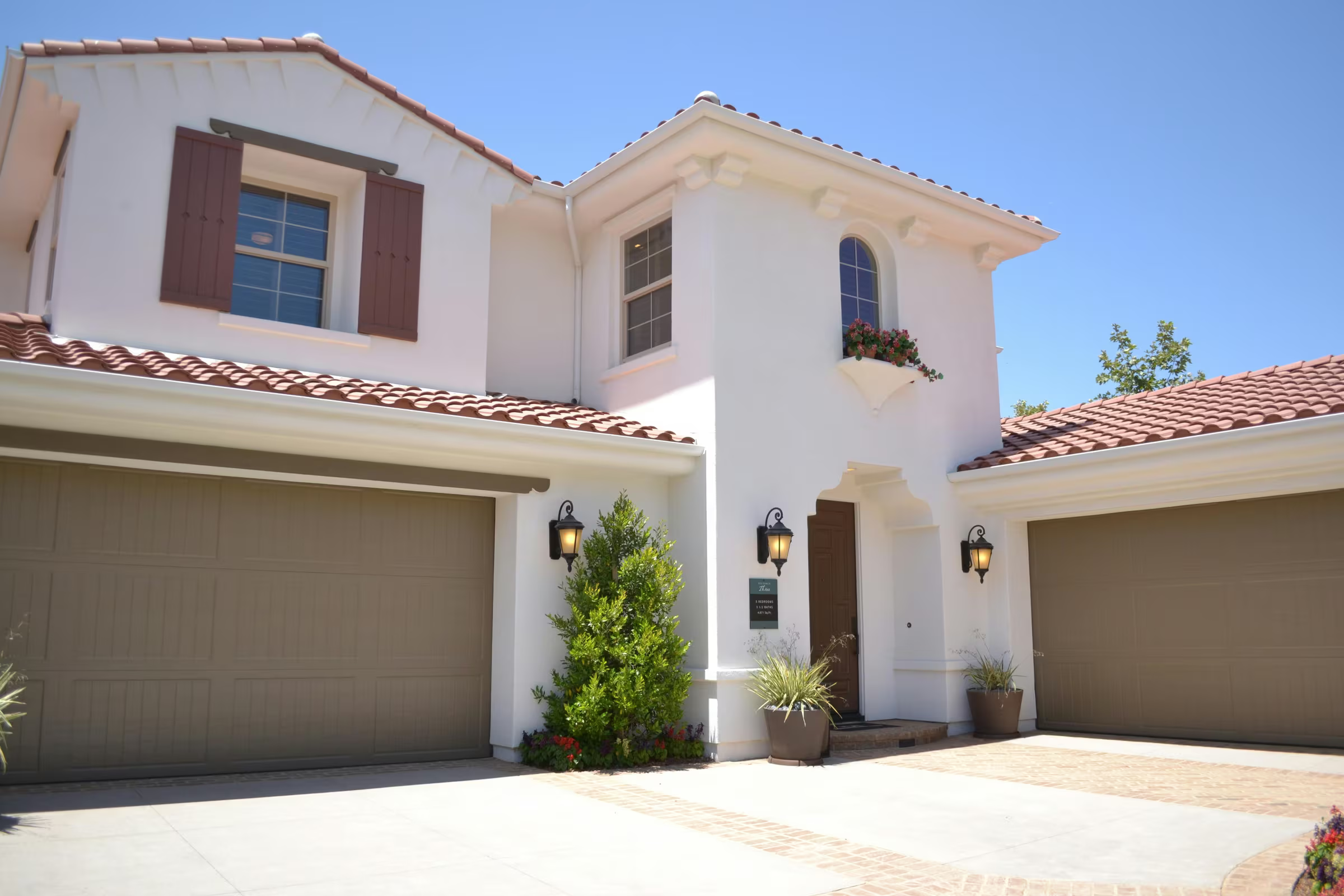
Skylights are another element that can add natural light to a home but also introduce potential leak points. If you are replacing the roof and want to keep or add skylights, make sure the contractor uses proper curbs and flashing. A skylight that is not flashed correctly will leak, and that leak will show up as water stains on your ceiling after the first good rain. Gutters and downspouts also need attention. New shingles or metal panels mean new drip edges, and the gutters should be aligned to catch the runoff. I have seen roofs where the gutters were hung too low or too high, causing water to pour behind them and rot the fascia. It is a simple detail, but it matters.
Navigating Insurance Claims After Storm Damage
Austin gets its share of hailstorms and high winds, and after a big storm, you will see a lot of roofing crews working around the neighborhood. If you have storm damage, the first step is to have a roof inspection done by a licensed contractor. They can document the damage and give you a report that you can submit to your insurance company. An insurance claim for storm damage usually covers the cost of a full roof replacement if the damage is widespread, but you need to be thorough with the documentation. Take photos, get a written estimate, and do not let the insurance adjuster lowball you on material quality. I have helped homeowners get claims approved for Owens Corning Duration shingles and GAF Timberline metal panels because the original roof was a premium product and the replacement needed to match that standard.
CertainTeed is another brand that shows up frequently in Austin roofs, especially on higher-end homes. If your policy specifies that the roof must be replaced with like-kind materials, you need a contractor who can source those specific products. Not every roofer has relationships with the major manufacturers, so ask upfront. A roof replacement Austin contractor who works regularly with Owens Corning, GAF, and CertainTeed will have access to a wider range of colors and styles, which matters if you are trying to match the look of your home or meet HOA requirements.
Budgeting for the Unexpected
Even with a thorough inspection, a roof replacement often reveals surprises once the old materials are stripped off. Rotted decking, damaged rafters, or inadequate ventilation can add to the final cost. I always tell homeowners to set aside ten to fifteen percent of the total budget for unforeseen repairs. That way, if the contractor finds a section of plywood that needs replacement or a rusted drip edge that has to be cut out, you are not scrambling to find extra money. It is better to be prepared than to have the job stop halfway through because the budget ran dry.

The best approach is to get at least three detailed quotes from reputable contractors in the area. Look for companies that have been in business for a while, carry proper insurance, and can provide references from recent jobs in Austin. Ask about their warranty on both materials and workmanship. A good roofer will stand behind their work for at least five years, often longer. And remember, the cheapest quote is not always the best value. Cutting corners on underlayment, flashing, or ventilation will cost you more in the long run when you end up with a roof leak that damages your interior.
Roof replacement Austin homeowners undertake every year is a significant investment, but it is one of those things that pays for itself in peace of mind. A well-installed roof protects everything under it, from your family to your furniture, and it adds real value to your property. Whether you choose asphalt shingles, metal roofing, or clay tiles, the key is to work with a contractor who understands the local climate and builds every roof as if it were their own. That level of care shows up in the details, the drip edge, the flashing, the ridge vents, and the gutters - and it is what separates a roof that lasts thirty years from one that starts leaking after the first big storm.